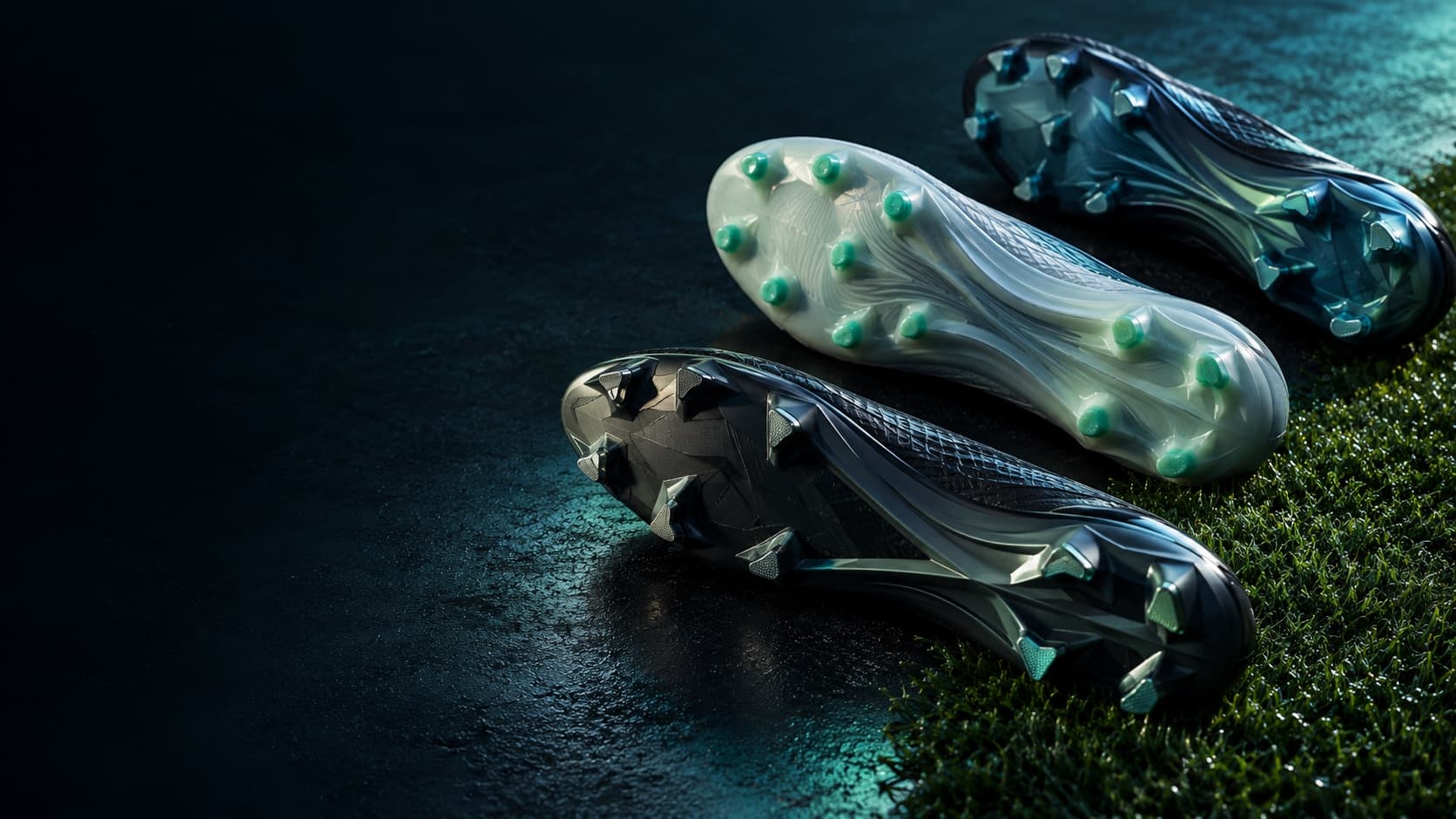

Boot and stud choice
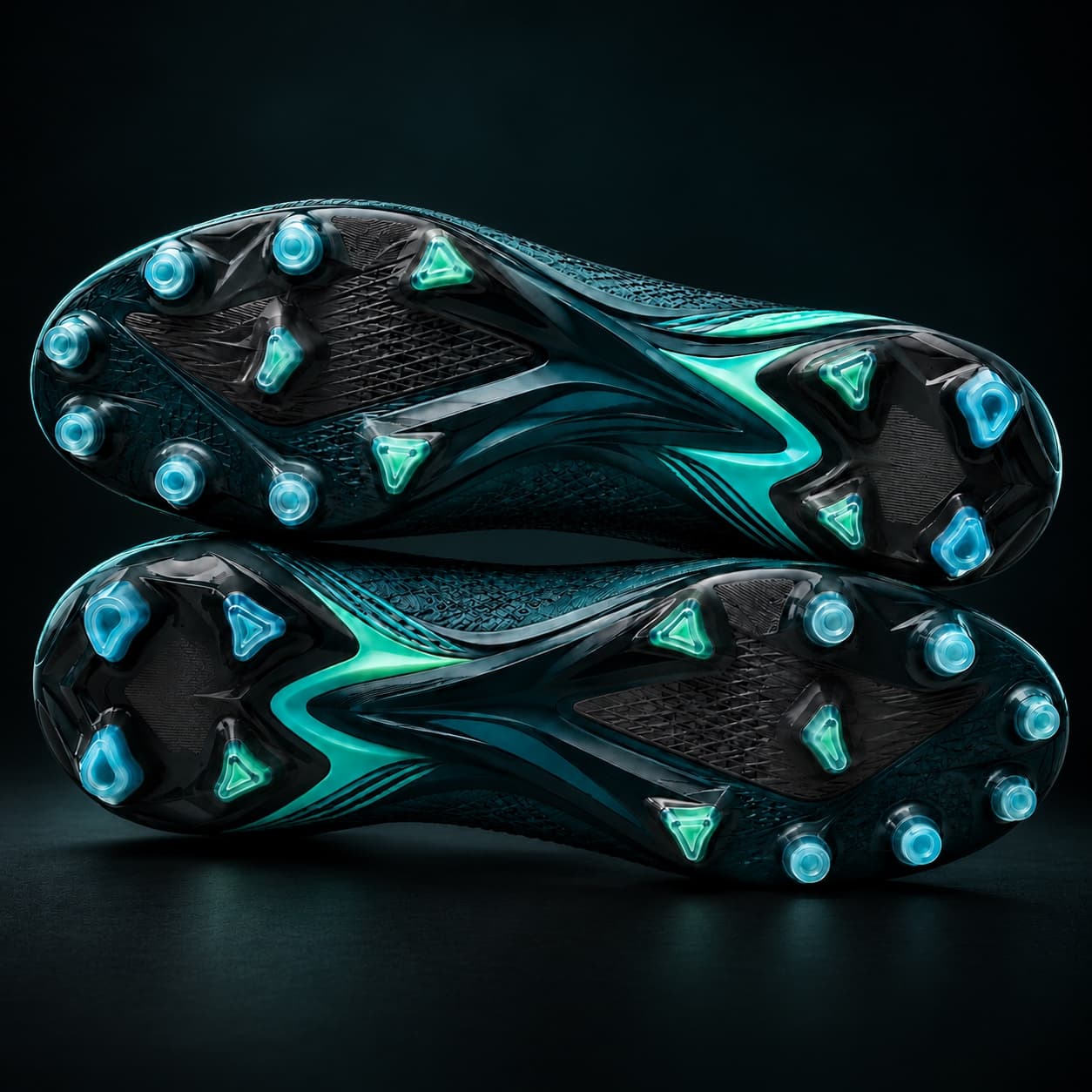
Which combination of boot and studs suits today's pitch? Compare models and stud configurations under realistic loads before your players step onto the grass.

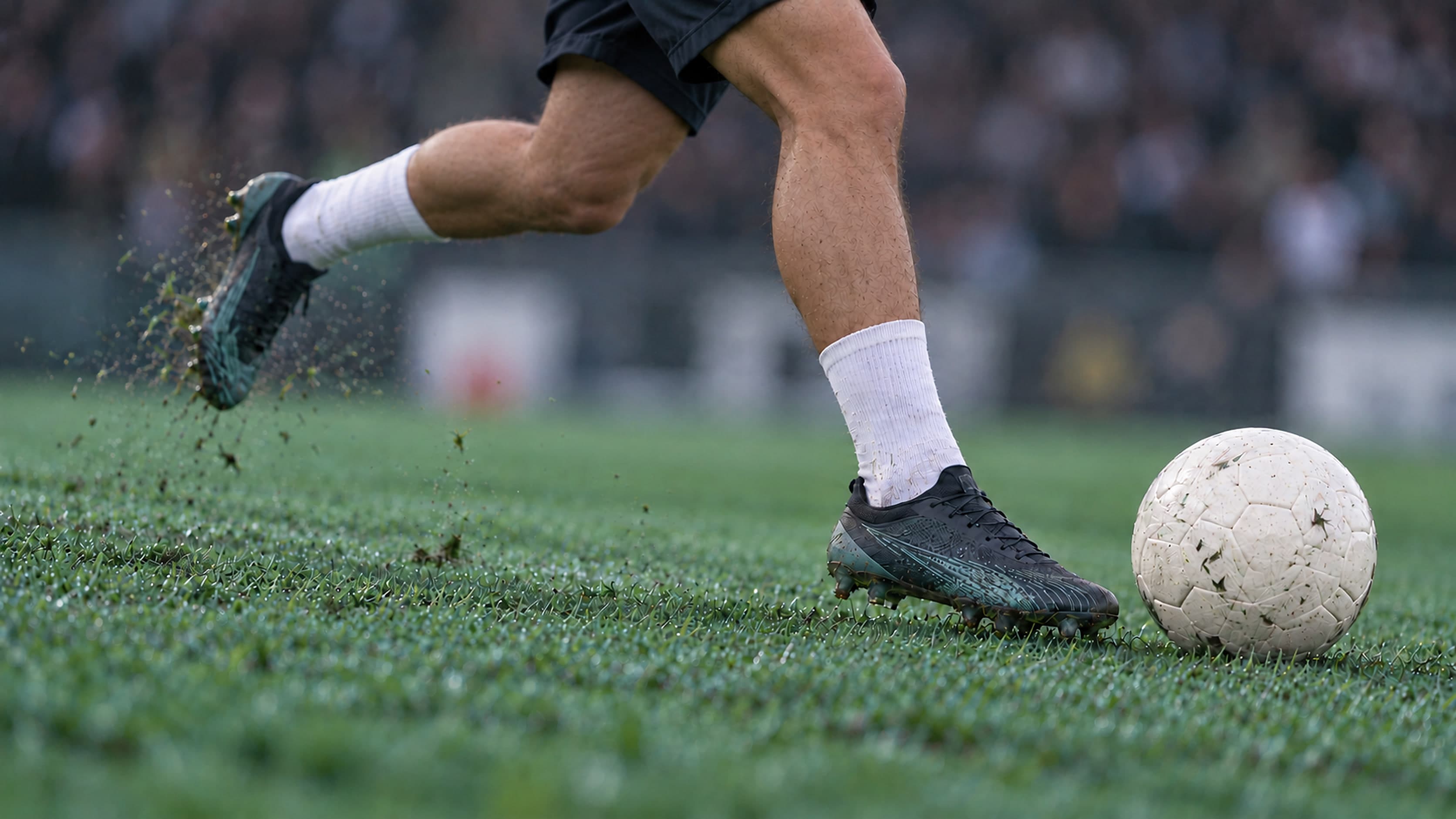
How much traction does your pitch have today – and which boot suits it? The TraqSafe test rig measures it in lab quality – directly on your pitch.
Too little translational traction: If the boot finds too little grip when accelerating and braking, it slips. Players lose stability and acceleration, and the risk of falling increases.
Too much rotational traction: If the turf gives too little during turning movements, the boot gets stuck. The rotation is blocked and the load on knee and ankle increases.
Where the line lies depends on boot, studs, pitch and weather – and it changes from day to day.
Which combination of boot and studs suits today's pitch? Compare models and stud configurations under realistic loads before your players step onto the grass.

How do zones, training pitches and the match pitch differ? How do turf age, weather and irrigation change traction?
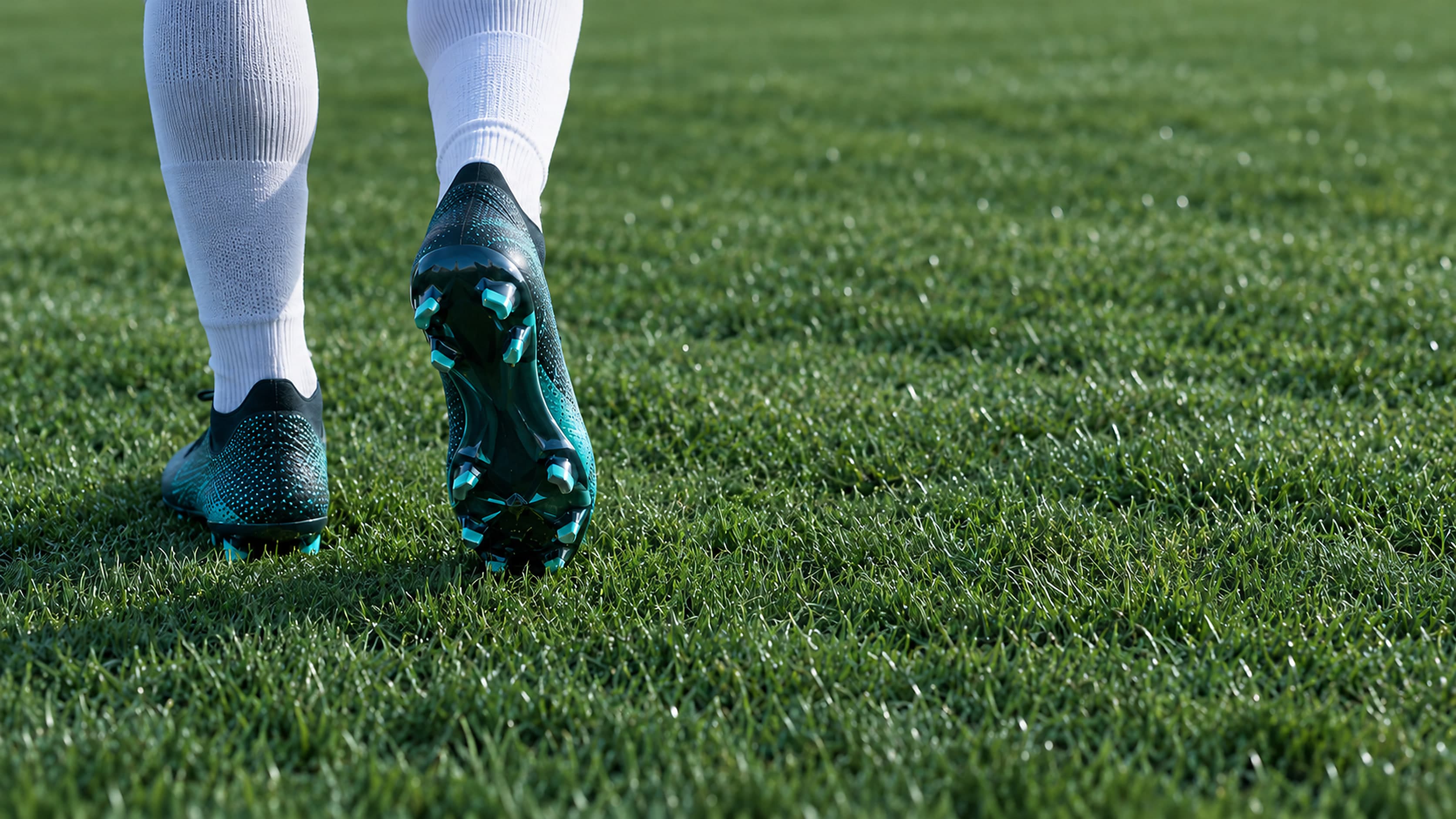
Objective data on the playing surface as an additional basis for managing load and for bringing players back after injury.
At a club, several departments decide on boots and pitches together. Traqometry prepares the results to suit each role.
Objective data on the boot–surface interaction as one building block for load management, injury prevention and return to play.
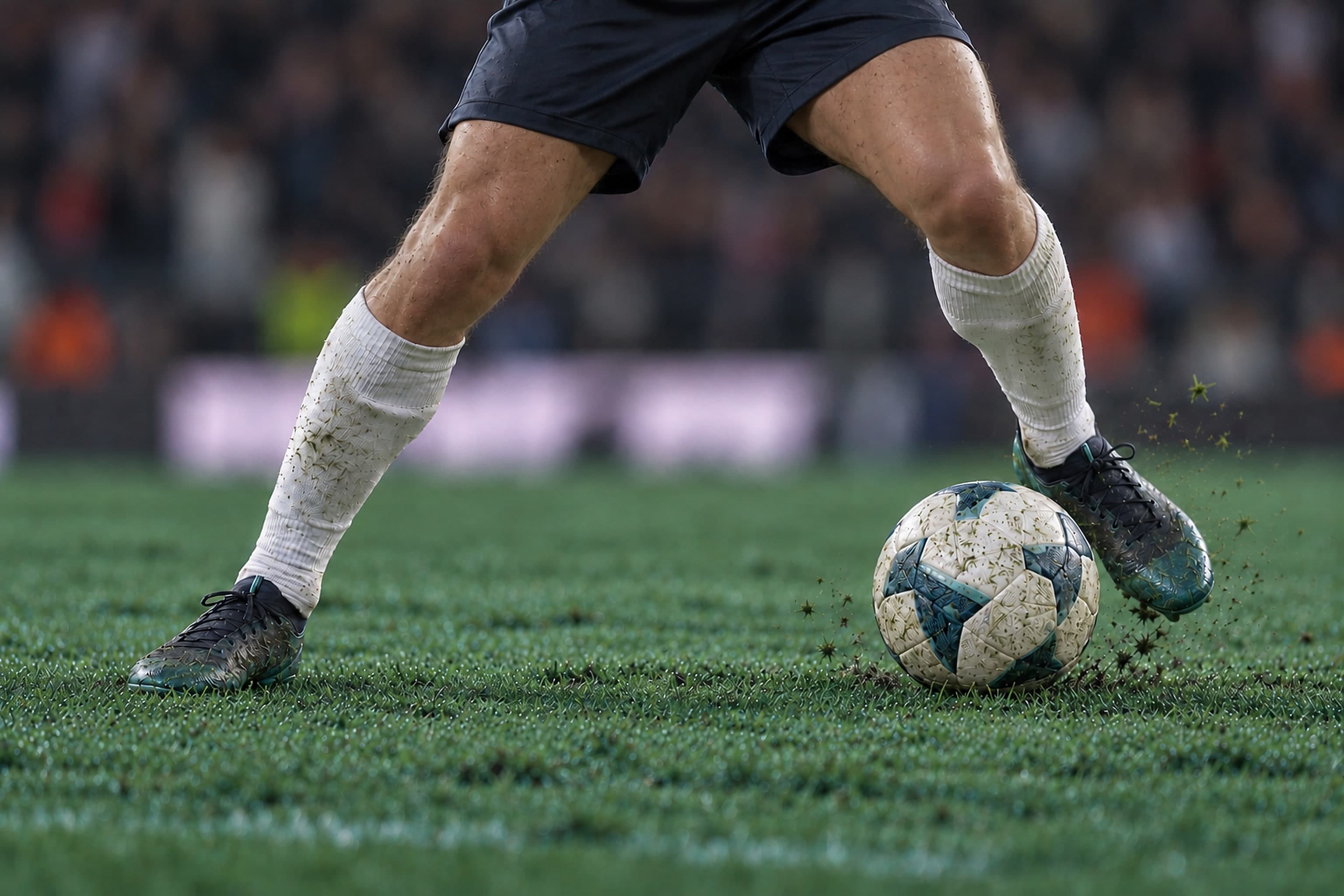
Clear comparisons as a basis for choosing boots and studs before kick-off.
See differences between zones and make the effect of maintenance visible.
More for stadiums & pitch care
No pitch is the same everywhere. With the test rig, you compare zones, evaluate the effect of maintenance and irrigation, and document the condition of your pitch across the whole season.
Whether natural, hybrid or artificial turf: when switching to a new turf system, comparative measurements provide an objective basis for decisions.
In Traqometry, you choose what to measure: boots, stud configurations, pitch zones and movements. Freely configurable or based on predefined test profiles.
The test rig is driven to the measuring points and runs the tests automatically.
Results are ready in Traqometry within minutes, prepared for your role and with a quality check for every result. No mobile signal on the pitch? No measurement is lost.
Measurements stay comparable across time, zones and boots, building a data basis that becomes more valuable with every measurement.
Clubs compete with each other – and Traqometry is built for that from the ground up. Your measurement data is stored in the EU, encrypted with customer-specific keys and strictly separated from other customers' data.
The prototype is currently being built. Validation and first pilot projects follow in 2027, and the market launch is planned for 2028. If you would like to be among the first partners, get in touch.
Any football boot your players wear – whether a production model, a custom-made boot or a prototype. Measurements are always taken with the real boot.
On almost any surface: natural, hybrid and artificial turf as well as tennis courts, indoor sports floors or asphalt.
Our aim is to put as little strain on the turf as possible. During validation and our pilot projects, we will determine exactly what marks a measurement leaves and adjust the measurement parameters so that damage is avoided or kept to a minimum.
That is exactly our goal. Traction is a scientifically recognised factor in the load on knee and ankle. The test rig makes this factor measurable directly on the pitch, providing an objective basis for decisions on boots, studs and playing surfaces.
That depends on how you want to use it. Get in touch – we are happy to discuss what makes sense for your club.
Tell us how you make boot and pitch decisions today – and what you would like to know. In 2027, we will select a small number of pilot partners.